
TL;DR:
- Unverified codes are insecure and often lead to scams, fake websites, or data theft.
- Always verify codes on official retailer websites or trusted platforms like LovableRewards.
- Using verified codes protects savings, personal data, and community deal integrity.
Many of the codes promising 50%, 70%, or even 90% off your next purchase aren't shortcuts to savings. They're traps. Scammers have gotten exceptionally good at mimicking the look and feel of real discount offers, flooding forums, social media feeds, and coupon aggregator sites with codes that lead nowhere useful, or somewhere dangerous. For deal hunters who spend real time chasing real savings, falling for even one fake code can cost more than just money. This guide covers what unverified codes are, the specific harms they cause, how to spot them fast, and where to find offers that actually work.
Table of Contents
- What are unverified codes and why do they exist?
- Risks and consequences of using unverified codes
- How to spot and avoid unverified codes
- Safe alternatives: Where to find reliable, verified codes
- Our take: The hidden costs even savvy deal hunters miss
- Get verified codes and stress-free savings with LovableRewards
- Frequently asked questions
Key Takeaways
| Point | Details |
|---|---|
| Unverified codes are risky | They can lead to financial loss, scams, and missed real deals. |
| Always check code legitimacy | Look for red flags like huge discounts or suspicious sources before using any code. |
| Verified communities matter | Using reputable code-sharing platforms keeps your savings and information secure. |
| Promo abuse hurts everyone | Abusing or sharing unverified codes can limit access to genuine deals for all shoppers. |
What are unverified codes and why do they exist?
An unverified code is any discount, coupon, or referral code that hasn't been confirmed as valid by an official retailer or a trusted verification system. No expiration check. No link validation. No confirmation it was ever real to begin with. These codes get posted freely by anyone with an account and a motive, which is exactly the problem.
They're everywhere because demand for discounts is enormous. Consumers actively search for ways to pay less, and scammers follow that demand. Some unverified codes are simply expired deals that nobody removed. Others are entirely fabricated, designed to drive clicks to fake storefronts or harvest personal data. Understanding code verification basics is the first step toward protecting yourself from both types.
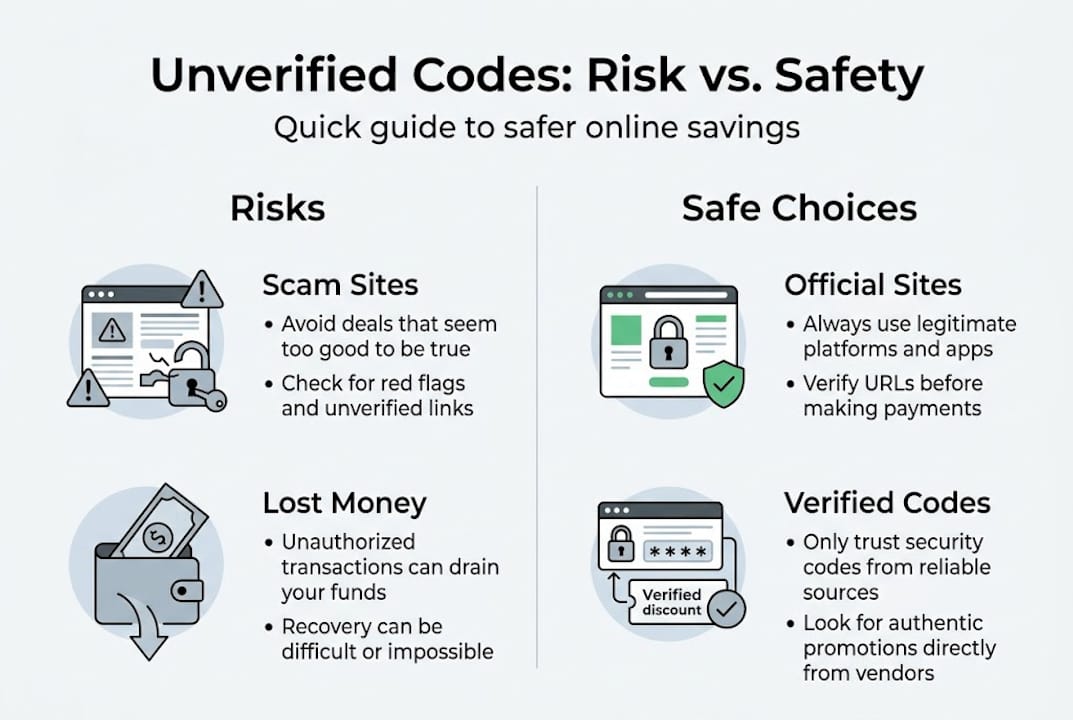
The contrast between verified and unverified codes is stark. A verified code has been tested, confirmed active, and linked to a legitimate retailer page. An unverified code is just text, copied and pasted with no accountability behind it. The referral code benefits you see advertised only materialize when the underlying code is real and the platform sharing it is trustworthy.
Here's where unverified codes are most commonly found:
- Public Reddit threads and Facebook groups with no moderation
- Generic coupon aggregator sites that auto-pull codes without testing them
- Unofficial Twitter or Instagram accounts impersonating brands
- Email spam disguised as brand newsletters
- Unmoderated forums and deal-sharing boards
- Browser extension popups with no source transparency
The BBB warns that unverified codes often lead to fake scam websites where consumers pay but receive no product. That one sentence should change how you approach every code you find outside an official channel.
Risks and consequences of using unverified codes
Knowing what unverified codes are makes it easier to understand why their risks should set off alarm bells. The harm isn't always obvious at first. Sometimes you try a code, it doesn't work, and you move on. But in worse cases, that code is the first step in a scam that costs you real money or compromises your accounts.
| Type of loss | What happens | Typical outcome |
|---|---|---|
| Financial | Pay on a fake site | No product, no refund |
| Data theft | Enter personal info for a "deal" | Identity fraud, account takeover |
| Time | Chase dead codes for hours | Zero savings, wasted effort |
| Deal access | Promo abuse clogs systems | Real offers disappear faster |
Financial loss is the most immediate risk. Fake sites built around unverified codes are often indistinguishable from real retail pages. You enter your payment details, you see a confirmation screen, and then nothing arrives. Validate discount codes before you ever enter payment information, not after.
Data theft is the quieter danger. Some unverified code pages don't even try to sell you anything. They just need your email, your phone number, or your login credentials to monetize your information elsewhere. A code that asks for personal details before revealing the discount is a serious red flag.
"Promo abuse with unverified codes leads to inflated metrics, no real savings for consumers, and harms genuine deal access." — Promo Abuse in E-commerce: Risks and Prevention
This is the dimension most deal hunters overlook entirely. When fake codes flood a system, retailers respond by tightening their coupon policies, reducing discount depth, or shutting down referral programs altogether. The referral code risks extend beyond your individual transaction. They affect the whole community of deal seekers.
Pro Tip: Before using any code, visit the retailer's official website directly and search for their current promotions page. If the code you found isn't listed there or on a platform with verified offers, don't use it.
How to spot and avoid unverified codes
Given these dangers, separating the scams from the savings requires more than gut instinct. Most people miss key warning signs because scammers design their pages to look credible at a glance.
Red flags to watch for immediately:
- Discounts over 80% on premium or in-demand products
- URLs that look slightly off (extra words, wrong domain extensions, misspelled brand names)
- Sites with no return policy, contact information, or about page
- Codes that require you to enter personal information before applying
- No mention of the offer on the brand's official website or social accounts
- Pressure tactics like "only 3 left" or "expires in 10 minutes" with no verifiable countdown
As the BBB identifies, classic red flags include too-good-to-be-true discounts, no official source, requests for personal info, and suspicious URLs. These signals show up together in most scam scenarios.
Step-by-step code verification process:
- Find the code on a website or post.
- Open a new browser tab and navigate directly to the retailer's official website.
- Search the retailer's promotions or deals section for confirmation of the offer.
- If the code exists legitimately, apply it in your cart before entering any payment info.
- If the discount doesn't apply correctly, abandon the transaction and report the source.
- Cross-check on a verified platform before trying again.
Practicing this routine will save you from avoiding expired codes as well as fake ones. Knowing what verifying discount codes actually looks like in practice takes the guesswork out entirely. If you're evaluating platforms beyond the big names, comparing Referralcodes.com alternatives can help you find verified aggregators worth using.
Pro Tip: Cross-checking codes on two independent, trusted sources before use is the single most effective habit for deal hunters. It takes 60 seconds and has saved people hundreds of dollars.
Safe alternatives: Where to find reliable, verified codes
Once you can spot risky codes, upgrading your sourcing habits is the logical next move. Not all code-sharing platforms operate the same way, and the difference matters a lot.
| Source type | Verification level | Risk level | Best for |
|---|---|---|---|
| Official retailer site | High (always confirmed) | Very low | Single-brand deals |
| Reputable aggregators | Moderate to high (AI or manual checks) | Low | Multi-brand savings |
| Random social shares | None | High | Nothing, avoid these |
| Unmoderated forums | None to low | High | Risky at best |
As promo abuse data shows, unverified codes don't just fail the individual user. They distort metrics retailers use to evaluate their programs, which ultimately leads to fewer and weaker genuine deals for everyone. Using verified sources protects you and keeps the marketplace healthier.
Where to reliably find verified codes:
- Official brand newsletters and loyalty program emails
- Retailer apps with built-in promo sections
- Verified referral code communities with moderation and AI checks
- Cashback platforms that partner directly with retailers
- Curated lists from trusted deal-sharing sites
Beyond finding codes, sharing them responsibly matters too. When you share codes fairly, you protect other deal hunters from wasting time on dead or dangerous links. A good community is only as trustworthy as its least careful contributor. The resources for maximizing savings with codes work best when everyone in the community takes verification seriously. For regularly updated, confirmed offers, checking current verified offers from reliable sources gives you a head start every month.
Our take: The hidden costs even savvy deal hunters miss
Here's the part most guides skip entirely. Even experienced deal hunters often think of verification as someone else's problem. They'll try a sketchy code once, shrug when it fails, and move on without considering what just happened.
But every time someone uses an unverified code, whether it works or not, they signal to scammers that the behavior is worth pursuing. Fake code ecosystems grow because they generate clicks, data, or occasional payments. The individual who tries "just one code" from an unverified source is funding the next wave of scams indirectly.
Communities built around deal sharing only stay healthy when people take understanding referral codes seriously as a shared responsibility. Verification isn't a bureaucratic annoyance. It's the reason real deals still exist at competitive discount levels. When abuse drives retailers to restrict programs, every deal hunter loses access to savings that used to be easy to find.
The smarter frame: verification is not extra effort. It's the foundation of consistent savings. Once you build the habit, you stop wasting time on dead codes and start landing real discounts with far less stress.
Get verified codes and stress-free savings with LovableRewards
Putting these lessons into practice is easier when you have a platform that does the verification work for you.
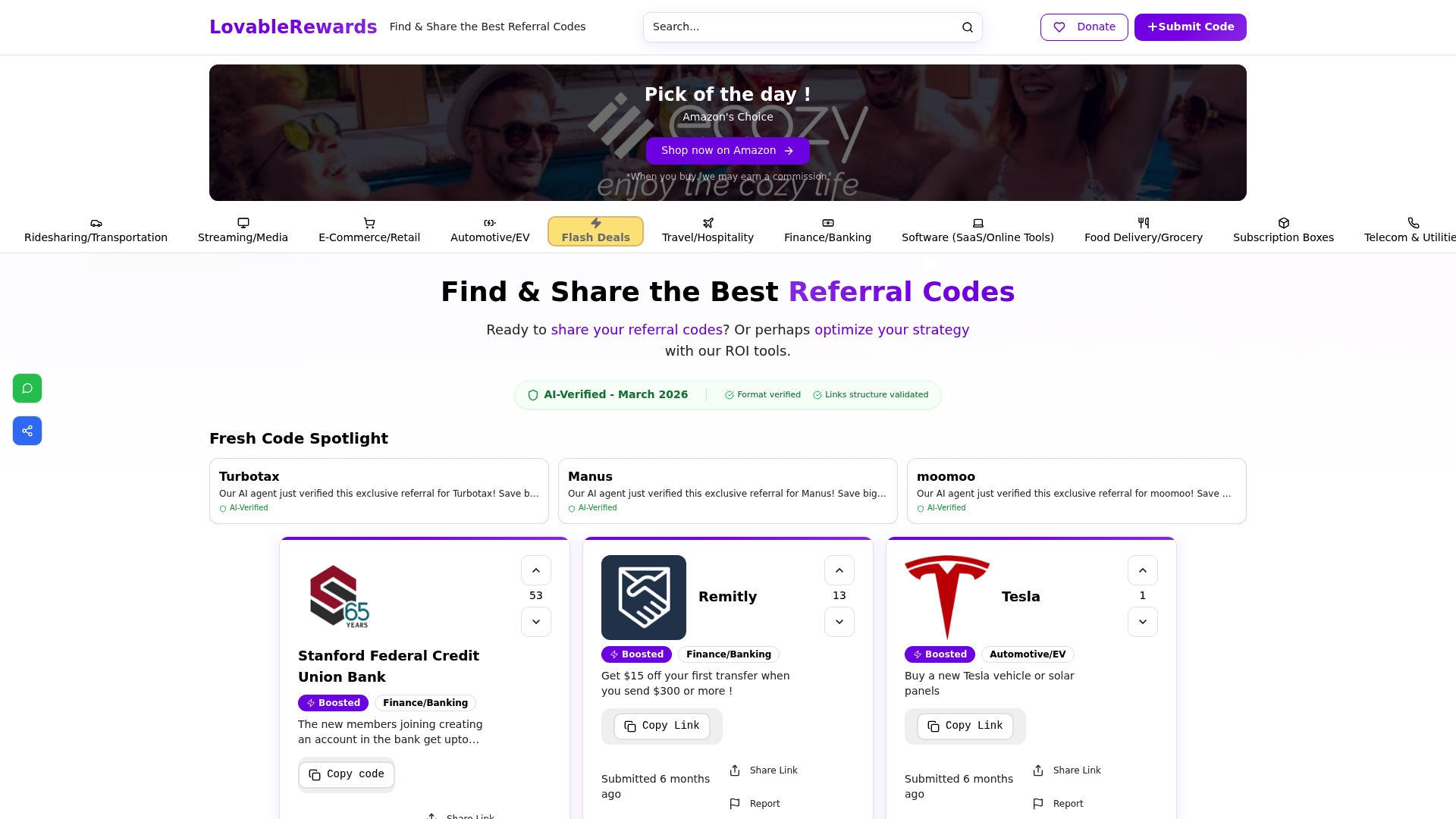
LovableRewards is built specifically for deal hunters who want real savings without the risk of scams or expired offers. Every code on the platform goes through AI-based verification before it's published, so you're never guessing whether a deal is real. The community moderation layer adds another check, keeping the catalog clean and current. Whether you're looking for e-commerce discounts, cashback offers, or referral bonuses across multiple industries, LovableRewards gives you a centralized, trustworthy place to start. Skip the forums. Skip the guesswork. Find your next verified deal today.
Frequently asked questions
What is an unverified code?
An unverified code is a discount or referral code that hasn't been confirmed as valid by an official retailer or trusted source. As the BBB documents, these codes often lead to fake websites where consumers pay and receive nothing.
How can you tell if a code is unverified?
Look for warning signs like huge discounts with no official source, requests for personal information, and suspicious URLs. BBB research identifies these as the most consistent red flags across coupon scams.
What are the main risks of using unverified codes?
You risk losing money, identity theft, and losing access to real deals due to promo abuse. BBB warns about financial loss from fake sites, while industry data shows abuse harms genuine deal access for all consumers.
Where should I look for reliable, verified codes?
Use official retailer sites or reputable aggregators like LovableRewards to ensure your codes are safe and valid. Platforms with AI-based verification and community moderation give you the highest confidence that the offer is real before you commit.